

The aviation industry is at a turning point. As global conversations around climate change intensify, air travel continues to face mounting scrutiny due to its carbon footprint. In response, the sector is shifting its focus toward cleaner, more sustainable alternatives and Sustainable Aviation Fuel (SAF) is leading that charge.
Although SAF uptake is still in its early stages in South Africa, its relevance is growing by the day. Global airlines, regulators, and fuel providers are already laying the groundwork for a lower-emission future. For fuel transporters and aviation operators, this presents an important opportunity and challenge: How do we prepare now to ensure readiness later?
Understanding SAF and Its Role in a Changing Industry
Sustainable Aviation Fuel, or SAF, is a cleaner-burning alternative to traditional Jet A1 fuel. It’s typically produced from renewable resources such as waste oils, agricultural residues, or carbon captured from industrial processes. Unlike electric or hydrogen-powered alternatives still in development, SAF is a “drop-in” fuel, meaning it can be blended with conventional jet fuel and used in existing aircraft engines and infrastructure with little to no modification.
The biggest draw of SAF lies in its environmental impact. Over its lifecycle, SAF can reduce carbon emissions by as much as 80% compared to fossil-based fuels. As a result, it has become a focal point for countries and carriers looking to decarbonise aviation without waiting for disruptive technological shifts.
Internationally, markets like the EU and United States are moving quickly to incentivise or mandate SAF adoption through policy, subsidies, and blending targets. While South Africa has not yet introduced specific SAF legislation, it’s widely acknowledged that environmental compliance and carbon accountability will soon become more critical, particularly for local operators with global ties.
Fuel Transport Will Be Central to SAF Integration
While much attention is placed on the production and pricing of SAF, distribution is just as critical to making the transition work. Reliable, high-quality fuel delivery, already essential in aviation, will become even more important as airlines and airports begin to integrate SAF into their operations.
Unlike conventional fuels, SAF often involves additional considerations around traceability, blending, and storage. Operators will need fuel transport partners who can meet strict safety and quality requirements while providing flexibility and consistency. This includes rigorous monitoring, clean tank management, and the ability to transport fuel across long distances without compromising quality or compliance.
As the fuel itself becomes more complex, the transporter’s role in maintaining fuel integrity, meeting handling regulations, and providing full visibility from source to site will become a significant differentiator.
INYAMEKO’s Experience in Aviation Fuel Supply
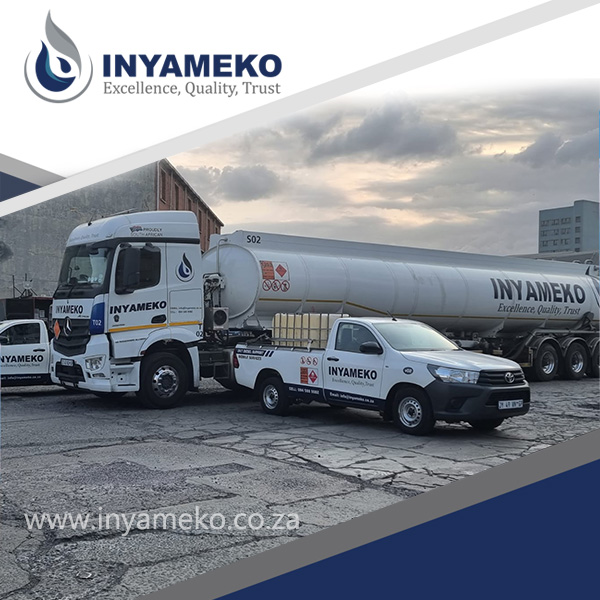
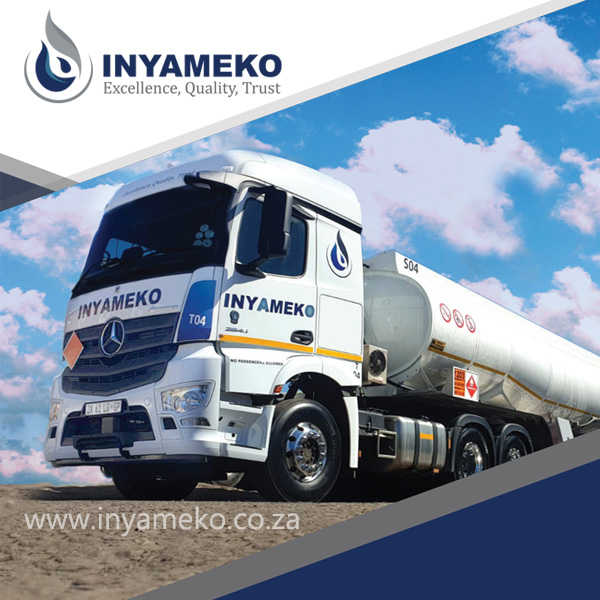
INYAMEKO is already an established player in the aviation fuel supply chain, trusted by aviation businesses to deliver Jet A1 fuel safely, on time, and in full compliance. With years of experience transporting petroleum products across South Africa, the company has built a reputation for reliability, precision, and customer-focused service.
Our modern tanker fleet is accredited at all major gantries and capable of delivering Jet A1 with precision systems, including sample lines to support quality verification. Our logistics network is managed by experienced teams who prioritise journey planning, driver safety, and real-time tracking ensuring full transparency throughout the delivery process.
What sets INYAMEKO apart is not just our fleet or infrastructure, but our readiness to adapt to evolving industry requirements. While SAF may not yet be widely available in South Africa, our systems, operational standards, and technical expertise are designed to scale and adjust when new fuels, including SAF, enter the mainstream. From regulatory compliance to safe handling and customer education, we have the foundations in place to support our clients through the next era of aviation fuel.
Looking Ahead Without Speculation
While some companies may already be experimenting with SAF, INYAMEKO’s current focus remains on delivering exceptional service for conventional aviation fuels, with a clear awareness of where the market is heading. We’re not making assumptions about future demand, but we are staying informed, connected, and ready to support our clients when the transition gains traction locally.
Aviation operators looking to future-proof their supply chain should start by evaluating the flexibility and capability of their current fuel transport partners. Whether you’re already planning for SAF or simply seeking better security of supply for Jet A1, INYAMEKO offers the assurance of quality, safety, and consistency in a competitive and fast-changing environment.
The road to lower-emission aviation will take time, but it’s already begun. SAF represents a promising solution to a long-standing environmental challenge, and while widespread adoption in South Africa may still be a few steps away, the industry is moving in that direction.
By choosing a transport partner that understands both the present and the future of aviation fuel, operators can gain peace of mind and a competitive edge. INYAMEKO’s experience in aviation fuel logistics, its commitment to excellence, and its capacity to scale responsibly make it a strong ally in this evolving space.
When you work with IMYAMEKO, you’re choosing a partner that’s grounded in reliability — and ready for what comes next.
Choosing INYAMEKO for your bulk fuel transport needs means aligning with a partner who respects the value of reliability, quality, and customer satisfaction. Our robust infrastructure, knowledgeable team, and dedication to sustainability combine to create a service that truly makes a difference. Experience the certainty and peace of mind that comes with working alongside a leader in Petroleum Products industry—experience INYAMEKO.