
In South Africa’s mining sector, every litre of fuel that reaches a site keeps production moving and heavy machinery running. Behind that flow of energy lies a complex web of safety, environmental, and legal responsibilities. Fuel transport compliance is a critical part of keeping operations safe and sustainable, yet it is often treated as an administrative formality. In reality, compliance is what protects mines from environmental liabilities, downtime, and reputational damage. It begins long before the fuel leaves the gantry.
Understanding Fuel Transport Compliance in Mining
Fuel transport compliance in South Africa is governed by an intricate network of laws and regulations. For mining operators, it means working with transporters who meet national standards set by the Department of Mineral Resources and Energy (DMRE), the Department of Transport, and the Department of Forestry, Fisheries and the Environment (DFFE).
Key areas of compliance include vehicle licensing, driver certification, hazardous goods permits, spill response readiness, and environmental insurance coverage. Every step of the journey, from fuel loading to offloading at the mine, must follow prescribed protocols to prevent contamination or accidents.
Transporters are also expected to meet standards such as the South African National Standards (SANS 10231 and 10232) for the handling and transport of dangerous goods. These frameworks ensure that fuel is moved safely, vehicles are properly equipped, and drivers are trained to respond to incidents on the road.
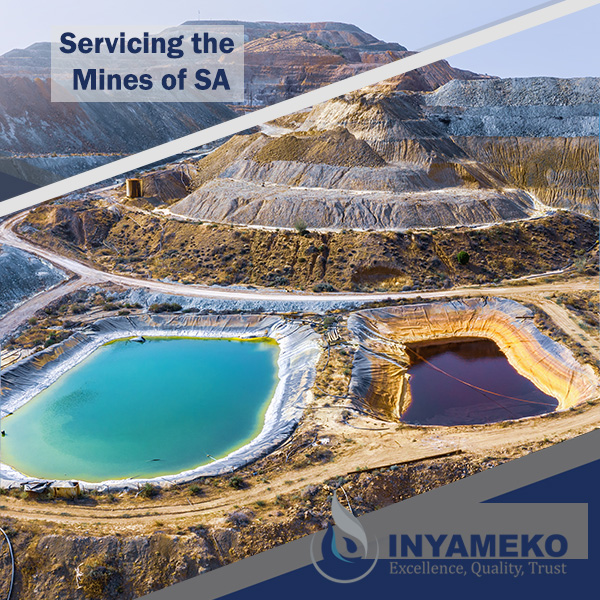
In the mining context, compliance carries additional weight. Many operations are located in ecologically sensitive or remote areas where a single spill can cause lasting environmental harm. Ensuring that fuel transport partners understand these site-specific risks is essential for maintaining the mine’s own compliance and environmental reputation.
The Real Cost of Non-Compliance
The temptation to overlook compliance or partner with cheaper, unaccredited transporters can be costly. The financial risks include fines, cleanup expenses, and higher insurance premiums, but the reputational impact can be even greater. A single non-compliance incident can disrupt supply schedules, trigger site shutdowns, and erode trust with investors and local communities.
In mining, reputational credibility is everything. Stakeholders expect fuel logistics to align with the same high standards applied to safety and environmental management on site. Mines that rely on non-compliant partners risk losing more than fuel; they risk their licence to operate.
Operationally, non-compliance can also lead to downtime. Unlicensed drivers, non-certified tankers, or expired permits can halt deliveries at inspection points or result in impoundments. These delays can interrupt production schedules and increase costs, especially when fuel deliveries are tightly linked to daily operations.
By choosing a transporter that adheres to every regulatory and safety requirement, operators gain continuity, predictability, and peace of mind.
How INYAMEKO Builds Compliance into Every Operation
INYAMEKO’s transport solutions are designed to meet the demanding needs of industries like mining, where safety, reliability, and environmental care cannot be compromised. Every aspect of our operation, from the people to the tankers, is built around compliance and accountability.
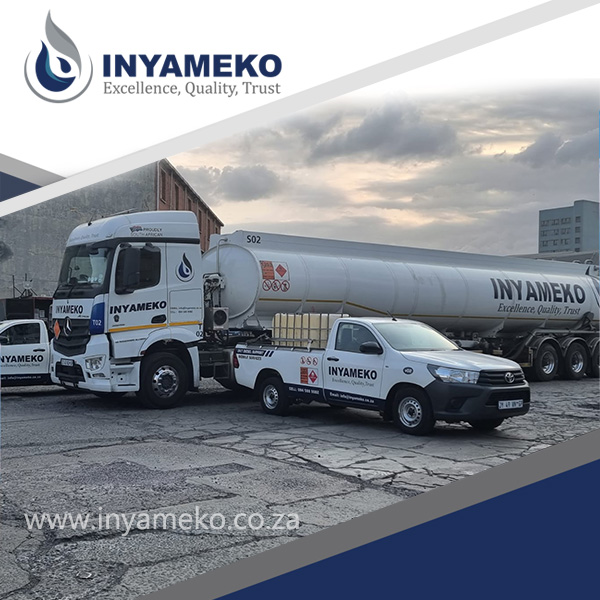
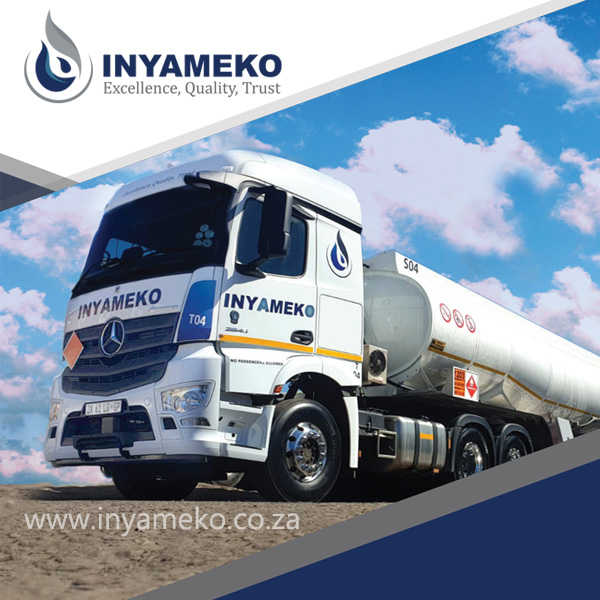
We employ trained, accredited drivers who understand both the legal requirements and the realities of working with hazardous materials. Our tanker fleet is rigorously maintained and inspected, ensuring every vehicle on the road meets SANS and DMR regulations.
Environmental safeguards are also built into daily operations. INYAMEKO maintains comprehensive spill-response protocols, ensuring rapid containment and reporting in the unlikely event of an incident. Our processes align with environmental management systems that support responsible fuel transport and reduce risk for clients.
For mining operators, this means more than just ticking compliance boxes. It means partnering with a transporter who helps protect operational licences, environmental integrity, and business reputation. INYAMEKO’s team collaborates closely with clients to ensure that every journey is fully documented, audited, and traceable, meeting the highest standards of transparency and control.
Choosing the Safer Route Forward
Compliance in the mining industry is about more than meeting regulations. It is about demonstrating a commitment to responsible, sustainable operations that reflect the values of safety and accountability.
Partnering with INYAMEKO gives mining operators a transport partner that understands the stakes. Their systems, certifications, and culture of responsibility ensure that every load of fuel is delivered safely, legally, and efficiently.
In an industry where every decision affects both productivity and reputation, INYAMEKO stands out as the transporter that helps mines stay compliant, avoid risk, and move forward with confidence.
Choosing INYAMEKO for your bulk fuel transport needs means aligning with a partner who respects the value of reliability, quality, and customer satisfaction. Our robust infrastructure, knowledgeable team, and dedication to sustainability combine to create a service that truly makes a difference. Experience the certainty and peace of mind that comes with working alongside a leader in Petroleum Products industry—experience INYAMEKO.