
In fuel logistics, reliability is not something that can be improvised. When fuel deliveries support mining operations, industrial sites, and critical infrastructure, there is little room for error. A dependable fuel tanker fleet is defined by consistency, readiness, and safety across every delivery, every route, and every client site. The vehicles themselves matter, but long-term reliability is shaped by the systems, people, and controls that support them.
Understanding what separates a professional fleet from an average one helps operators make better decisions about who they trust with a vital part of their operations.
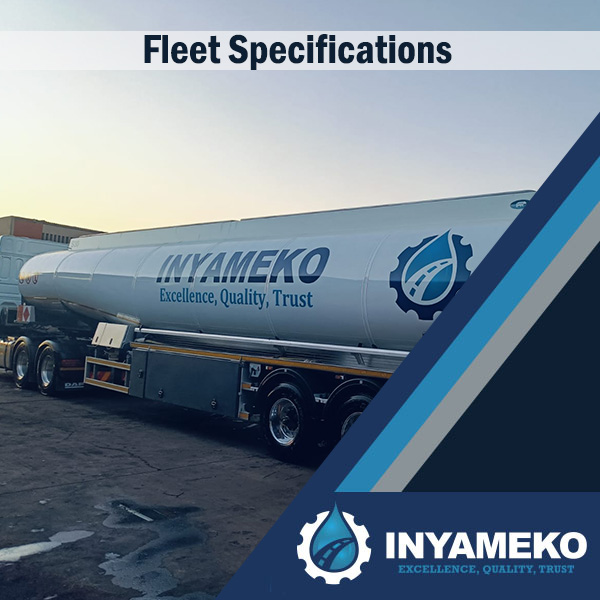
Fleet Specifications That Support Reliable Delivery
A reliable fuel tanker fleet starts with equipment that is designed for accuracy, control, and adaptability. Metering systems play a central role in this. Accurate, calibrated meters ensure that every litre delivered is measured correctly, supporting transparent billing and compliance with industry standards. This level of precision reduces disputes and builds confidence between transporter and client.
Power take-off delivery systems are another critical feature. PTO-driven pumps allow for controlled, efficient offloading, particularly in environments where fuel must be delivered steadily and safely. This is especially important on mining sites or remote locations where infrastructure may be limited and conditions can change quickly.
Fleet versatility also contributes to reliability. Tankers that are equipped to handle different fuel types, including Jet A-1 where required, allow operators to meet a wider range of client needs without compromising safety or compliance. Purpose-built compartments, proper sealing, and clearly defined handling procedures ensure that fuel integrity is maintained throughout the journey.
When fleet specifications are selected with operational realities in mind, deliveries are completed with fewer delays, fewer risks, and greater predictability.
Driver Management, Journey Planning, and Monitoring
Even the most advanced tanker is only as reliable as the people operating it. Driver management is therefore a core pillar of fleet reliability. Professional fuel transport operators invest in recruiting, training, and retaining drivers who understand both regulatory requirements and the practical realities of transporting hazardous goods.
Journey planning adds another layer of control. Routes are selected based on distance, road conditions, delivery windows, and site access requirements. This planning reduces unnecessary mileage, lowers exposure to risk, and helps ensure that fuel arrives when and where it is needed. In sectors where fuel availability directly affects productivity, predictable delivery schedules are essential.
Continuous vehicle monitoring strengthens this process further. Twenty-four-hour tracking systems allow fleet managers to monitor vehicle location, driving behaviour, and delivery progress in real time. This visibility supports faster decision-making, early identification of potential issues, and better communication with clients. If conditions change on the road or at the delivery site, adjustments can be made before delays escalate into disruptions.
Together, disciplined driver management, structured journey planning, and constant monitoring create a delivery environment that prioritises safety, accountability, and reliability.
Insurance, Maintenance, and Environmental Safeguards
Reliability also depends on how well risks are anticipated and managed. Comprehensive insurance coverage is a fundamental requirement for any fuel tanker fleet. Proper insurance protects clients and transporters alike in the event of incidents involving vehicles, cargo, or the environment. It also demonstrates a commitment to responsible operations and financial accountability.
Maintenance schedules are equally important. Preventative maintenance ensures that tankers, pumps, valves, and safety systems remain in optimal condition. Regular inspections reduce the likelihood of mechanical failures that could lead to delays, spills, or safety incidents. A well-maintained fleet spends more time on the road and less time undergoing unplanned repairs.
Environmental safeguards complete the picture. Fuel transport carries inherent environmental risk, particularly when operating near sensitive ecosystems or active industrial sites. Reliable fleets implement spill prevention measures, carry appropriate response equipment, and follow clear reporting protocols. These safeguards protect the environment while also supporting client compliance obligations.
When insurance, maintenance, and environmental controls are managed proactively, reliability becomes a built-in feature rather than a reactive goal.
Built for Trust
A truly reliable fuel tanker fleet is the result of deliberate design, disciplined operations, and ongoing oversight. At INYAMEKO, our fleet is structured to support safe, consistent fuel delivery across demanding operating environments. From technical specifications and trained drivers to monitoring systems and environmental controls, every element is aligned with the expectations of clients who cannot afford uncertainty.
Reliability in fuel transport is ultimately about trust. It is about knowing that deliveries will arrive safely, accurately, and on schedule. INYAMEKO’s fleet is built with that responsibility in mind, supporting long-term partnerships and dependable operations across the industries it serves.
Choosing INYAMEKO for your bulk fuel transport needs means aligning with a partner who respects the value of reliability, quality, and customer satisfaction. Our robust infrastructure, knowledgeable team, and dedication to sustainability combine to create a service that truly makes a difference. Experience the certainty and peace of mind that comes with working alongside a leader in Petroleum Products industry—experience INYAMEKO.