

In aviation, timing and reliability are critical. Aircraft operations depend on precise scheduling, and any delay in fuel supply can quickly disrupt flights, logistics, and service commitments. While much attention is often placed on fuel quality and pricing, the logistics behind getting aviation fuel to the right place at the right time is just as important. For regional airports, private operators, and remote aviation sites, dependable transport is what keeps operations running smoothly.
Understanding the Needs of Regional and Private Aviation
Regional and private aviation operations often function outside of major airport hubs. This creates unique challenges when it comes to fuel supply. Smaller airports, heliports, and remote landing sites may not have the same storage capacity or infrastructure as large commercial airports. As a result, they rely heavily on consistent and well-coordinated fuel deliveries.
Operators in sectors such as mining, agriculture, emergency medical services, and offshore operations depend on aviation fuel to maintain critical services. Helicopters supporting mining operations, for example, require regular refuelling to transport personnel and equipment. Similarly, emergency response teams rely on uninterrupted access to fuel to ensure rapid deployment when needed.
In these environments, delays or inconsistencies in fuel delivery can have serious operational consequences. This makes it essential to work with a transport partner that understands the demands of regional and private aviation and can provide a reliable supply chain tailored to these conditions.
The Role of Transport in Maintaining Fuel Quality and Availability
Aviation fuel, particularly Jet A1, must meet strict quality standards to ensure safe and efficient aircraft performance. Maintaining this quality during transport is a critical responsibility. Fuel must be handled carefully at every stage, from loading at the refinery or depot to delivery at the final destination.
Clean tanker systems, proper sealing, and contamination control measures are essential to preserving fuel integrity. Transporters must follow strict procedures to ensure that no impurities enter the fuel during transit. This includes regular inspection and maintenance of tankers, as well as adherence to established handling protocols.
Availability is equally important. Aviation operations often run on tight schedules, with little room for delays. Fuel transporters must coordinate closely with depots and client sites to ensure deliveries are completed within required timeframes. This involves careful planning of routes, scheduling of loading times, and alignment with operational requirements on site.
For regional and private aviation clients, the ability to receive fuel consistently and on time provides operational stability. It allows operators to plan with confidence, knowing that fuel supply will support their schedules without disruption.
How INYAMEKO Supports Aviation Fuel Supply Chains
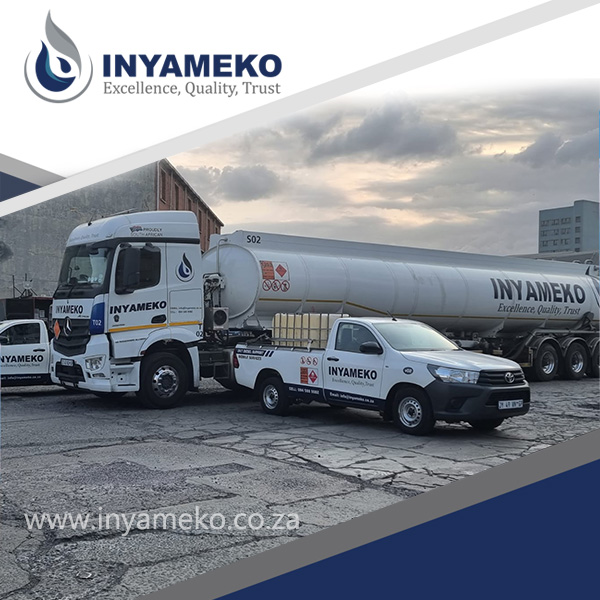
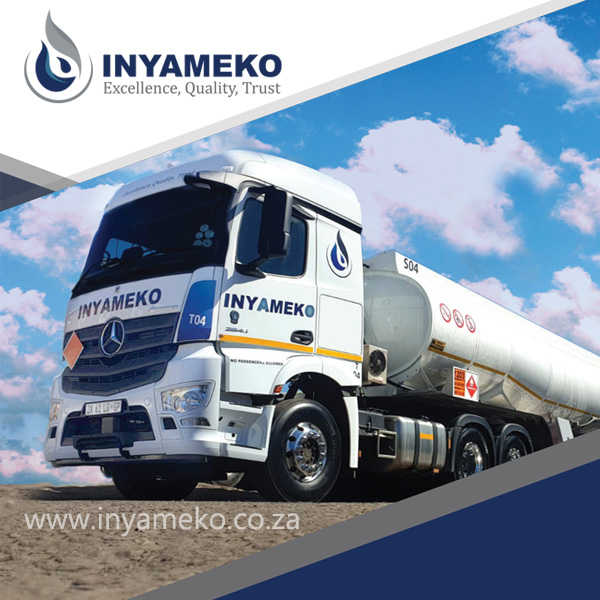
INYAMEKO approaches aviation fuel transport with a focus on precision, reliability, and compliance. The company’s experience in transporting petroleum products across South Africa enables it to support a wide range of aviation clients, from regional airports to specialised private operations.
Fuel is sourced from established refineries and suppliers, ensuring that quality standards are met before transport even begins. From there, INYAMEKO’s fleet operates under strict compliance guidelines, with vehicles maintained to meet safety and operational requirements. Each delivery is carefully managed to ensure that fuel arrives safely and in line with client expectations.
Logistics planning plays a central role in this process. Routes are planned with consideration for distance, road conditions, and delivery windows. Coordination between dispatch teams, drivers, and client sites ensures that each delivery is executed efficiently. Real-time communication allows for adjustments if conditions change, helping to maintain reliability even in dynamic environments.
Technology also supports visibility and control throughout the journey. Tracking systems allow operations teams to monitor vehicle movements and delivery progress, providing greater transparency for both the transporter and the client. This level of oversight helps ensure that fuel deliveries remain on schedule and meet required standards.
By combining operational discipline with industry experience, INYAMEKO provides a transport solution that supports the unique demands of aviation fuel logistics. Clients benefit from a service that prioritises safety, consistency, and reliability at every stage.
Keeping Aviation Moving with Confidence
Reliable fuel transport is a foundational element of aviation operations. For regional and private aviation, where infrastructure may be limited and operational demands are high, the importance of a dependable supply chain becomes even more significant.
When fuel is delivered safely, on time, and to the required quality standards, operators can focus on what matters most. Flights depart as scheduled, equipment remains operational, and critical services continue without interruption.
Choosing the right transport partner is an important decision. A provider that understands aviation requirements, maintains high standards, and delivers consistently can make a meaningful difference to operational performance. With the right systems, expertise, and approach in place, aviation fuel logistics becomes a source of stability rather than uncertainty.
Frequently Asked Questions About Aviation Fuel Logistics
What is aviation fuel logistics and why is it important?
Aviation fuel logistics refers to the planning, transport, handling, and delivery of aviation fuel such as Jet A1 from refineries or depots to airports and aircraft operators. It is important because reliable fuel supply ensures that flights operate on schedule, equipment remains functional, and safety standards are consistently maintained.
What type of fuel is used in regional and private aviation?
Most regional and private aviation operations use Jet A1 fuel, a kerosene-based aviation fuel known for its stability, efficiency, and compliance with international safety standards. It is widely used in helicopters, private jets, and commercial aircraft operating in various environments.
How is aviation fuel kept clean during transport?
Aviation fuel is transported using specialised tanker trucks that follow strict contamination control procedures. These include clean tank systems, sealed compartments, regular inspections, and adherence to strict handling protocols to ensure fuel quality is maintained from source to delivery.
Why is reliable fuel transport critical for aviation operations?
Reliable fuel transport ensures that aircraft can refuel on time, preventing delays, cancellations, or operational disruptions. For industries such as mining, emergency medical services, and agriculture, consistent fuel supply is essential to maintain productivity and safety.
What challenges do regional airports face with fuel supply?
Regional airports and remote landing sites often have limited storage capacity and infrastructure. This means they rely heavily on scheduled deliveries and transport partners who can ensure consistent, timely fuel supply despite logistical challenges.
How do fuel transport companies ensure on-time delivery?
Fuel transport companies use route planning, depot coordination, scheduling systems, and real-time tracking technology to manage deliveries. These systems allow logistics teams to monitor progress, respond to delays, and ensure fuel reaches its destination within required timeframes.
What should aviation operators look for in a fuel transport partner?
Operators should look for a transport partner with a compliant fleet, strong safety standards, experience in aviation fuel handling, and the ability to deliver consistently. Real-time tracking, clear communication, and proven reliability are also key factors.
Can fuel transport systems adapt to future aviation fuel changes?
Yes, modern fuel transport systems are designed to adapt to evolving fuel requirements, including sustainable aviation fuels. Transporters with strong operational standards and flexible logistics capabilities are better positioned to support future changes in the aviation industry.