
Transporting fuel is far more complex than simply loading a tanker and sending it down the road. Every delivery carries a high level of responsibility, because fuel is a hazardous product that must be handled with precision and care. From planning routes to complying with strict safety regulations, each step of the process must be carefully coordinated to ensure fuel reaches its destination safely and on schedule.
For industries that rely on diesel, petrol, or aviation fuel to keep operations running, dependable transport is essential. Mining operations, logistics companies, construction projects, and power generation facilities depend on consistent supply. Behind that reliability lies a structured system of logistics planning, safety management, and technology. Companies such as INYAMEKO focus on managing these elements with discipline and professionalism to ensure every delivery meets the highest standards.
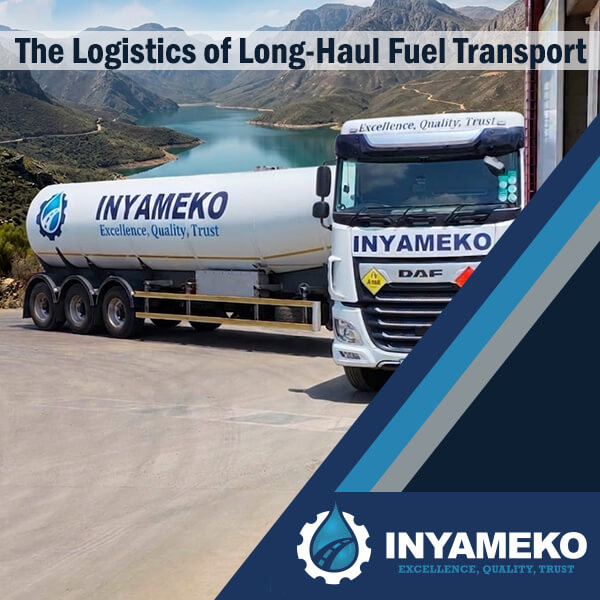
The Logistics of Long-Haul Fuel Transport
Fuel transport across South Africa involves significant logistical planning. Deliveries often cover long distances between depots, distribution hubs, and customer sites. Effective route planning plays a central role in ensuring deliveries arrive on time while minimising risk along the journey.
Transport planners must consider several factors when determining the best route. Traffic patterns, road conditions, weather forecasts, and distance all influence the final plan. Certain routes may require additional planning if they pass through densely populated areas or regions with limited infrastructure. Drivers also need to meet specific delivery windows set by depots or customer facilities, which adds another layer of coordination.
Loading schedules at fuel depots must align with vehicle availability and delivery commitments. Timing is important because many depots operate with strict gantry schedules to manage the flow of tanker vehicles. Careful coordination ensures vehicles arrive at the right time to load, preventing delays that could affect the entire delivery chain.
Communication also plays an important role. Dispatch teams stay in contact with drivers throughout the journey to monitor progress and respond quickly if conditions change. Adjustments to routes or schedules may be required if unexpected events occur on the road. With careful planning and responsive coordination, fuel transport companies can maintain reliable delivery performance across long distances.
Meeting Regulatory Requirements
Fuel transport is subject to strict regulations that are designed to protect people, infrastructure, and the environment. Compliance is not simply a formality. It is a critical component of safe operations.
Health, safety, environmental, and quality management systems form the foundation of responsible fuel transport. Companies must follow guidelines that cover vehicle maintenance, fuel handling procedures, and emergency response planning. These frameworks help ensure that risks are identified and managed throughout the transport process.
Driver training is another essential element. Fuel tanker drivers require specialised certifications and must understand how to handle hazardous materials safely. Training includes safe driving practices, emergency procedures, and correct loading and offloading methods. Ongoing refresher training helps maintain high safety standards and keeps drivers updated on regulatory requirements.
Vehicles themselves must meet strict compliance standards. Tankers undergo regular inspections and maintenance to ensure they remain safe for transporting fuel. Equipment such as metering systems, pumps, and valves must function correctly to prevent leaks or spills. By maintaining vehicles and equipment to high standards, transport companies reduce operational risks and support consistent service delivery.
Technology in Motion
Technology plays an increasingly important role in modern fuel logistics. Digital systems provide greater visibility and control over transport operations, allowing companies to monitor deliveries and maintain safety standards throughout each journey.
Fleet tracking systems allow dispatch teams to follow vehicle movements in real time. This visibility helps ensure drivers remain on approved routes and allows dispatchers to respond quickly if unexpected situations arise. Real-time information also helps customers receive accurate delivery updates.
Telematics systems provide additional insights into vehicle performance and driver behaviour. Data such as speed, braking patterns, and engine performance can be monitored to support safe driving practices and improve operational efficiency. These insights also help fleet managers plan preventative maintenance, reducing the likelihood of breakdowns on long journeys.
Fleet management platforms bring these technologies together into a single operational view. Dispatch teams can coordinate routes, monitor vehicle status, and track deliveries within one system. This level of oversight improves planning accuracy and supports consistent service performance.
Delivering Reliability at Every Stage
Fuel transport depends on the successful coordination of many moving parts. Route planning, compliance management, skilled drivers, and advanced technology all contribute to a reliable delivery process. When each element works together effectively, fuel reaches its destination safely and on time.
INYAMEKO focuses on managing every stage of this process with professionalism and attention to detail. Through disciplined logistics planning, strong compliance practices, and modern fleet technology, the company ensures fuel moves efficiently across South Africa’s supply network.
For businesses that rely on uninterrupted fuel supply, this reliability provides confidence and stability. INYAMEKO delivers more than fuel transport. The company delivers a service that businesses can depend on every day.
Choosing INYAMEKO for your bulk fuel transport needs means aligning with a partner who respects the value of reliability, quality, and customer satisfaction. Our robust infrastructure, knowledgeable team, and dedication to sustainability combine to create a service that truly makes a difference. Experience the certainty and peace of mind that comes with working alongside a leader in Petroleum Products industry—experience INYAMEKO.
Frequently Asked Questions About Fuel Transport in South Africa
What does fuel transport involve?
Fuel transport involves moving petroleum products such as diesel, petrol, or aviation fuel from storage depots to customer sites using specialised tanker trucks. The process requires careful logistics planning, trained drivers, compliant vehicles, and strict safety procedures to ensure fuel is delivered safely and on time.
Why is fuel transport considered high risk?
Fuel is classified as a hazardous material because it is flammable and can pose environmental and safety risks if handled incorrectly. Transporting fuel therefore requires strict compliance with safety regulations, specialised driver training, and properly maintained tanker vehicles to minimise potential hazards.
How are fuel delivery routes planned?
Fuel transport routes are planned based on distance, traffic patterns, road conditions, delivery windows, and safety considerations. Dispatch teams coordinate closely with depots and customer sites to ensure tankers arrive at the correct loading and unloading times.
What safety regulations apply to fuel transport in South Africa?
Fuel transport companies must comply with various safety and environmental regulations covering hazardous materials handling, vehicle compliance, driver certification, and operational procedures. These regulations are designed to protect the public, infrastructure, and the environment.
What training do fuel tanker drivers need?
Fuel tanker drivers require specialised training in hazardous materials handling, safe driving techniques, emergency response procedures, and correct fuel loading and unloading practices. Regular refresher training ensures drivers remain compliant with safety standards and industry regulations.
How does technology improve fuel transport operations?
Technology such as fleet tracking, telematics, and fleet management systems helps transport companies monitor vehicle locations, driver behaviour, and delivery progress in real time. These tools improve safety, efficiency, and communication between dispatch teams and drivers.
Why is reliable fuel transport important for businesses?
Many industries rely on fuel to power equipment, vehicles, and generators. Delayed deliveries can disrupt operations and cause significant downtime. Reliable fuel transport ensures businesses receive the fuel they need to maintain productivity and continuity.
What should businesses look for in a fuel transport partner?
A reliable fuel transport partner should have a compliant fleet, trained drivers, strong safety systems, and the ability to plan and monitor deliveries effectively. Experience in handling petroleum products and a proven track record of reliable service are also important factors.