
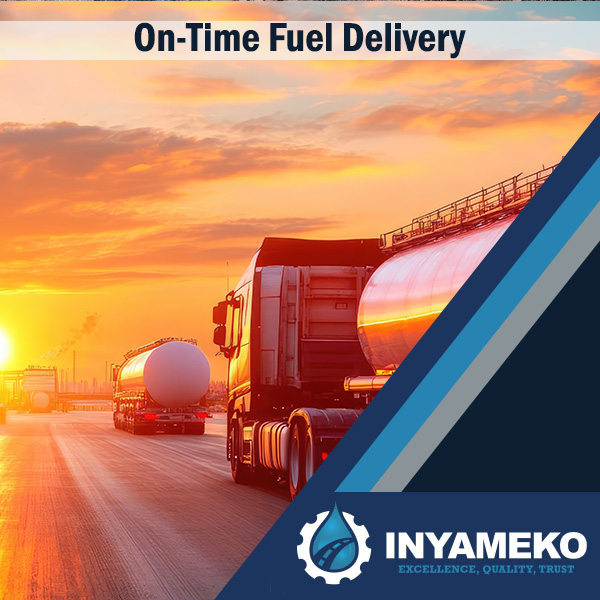
Fuel is one of the most valuable commodities moved on South African roads every day. From depots to construction sites, mines, and commercial facilities, every litre in transit represents operational continuity for the end user. At the same time, fuel transport carries inherent risks. Theft, spillage, and unauthorised interference are not rare incidents within the logistics landscape. They are ongoing realities that can disrupt operations, increase costs, and expose businesses to reputational and regulatory risk. With the right transport strategy, however, these risks can be managed and significantly reduced.
Secure fuel transport requires more than locked tankers and paperwork. It depends on foresight, systems, trained people, and accountability at every stage of the journey.
The Weak Points in Fuel Transport
Fuel theft and loss typically occur at predictable points along the transport chain. One of the most common risk areas is during transit on long or poorly monitored routes. Tankers travelling through remote areas or stopping at unsecured locations are more exposed to siphoning, tampering, or unauthorised access.
Loading and offloading points also carry risk. Inadequate controls at depots or delivery sites can result in discrepancies, spillage, or partial losses that are only discovered after the fact. In some cases, delays caused by congestion, breakdowns, or poor planning create extended dwell times that increase exposure to interference.
Human factors play a role as well. Inexperienced or untrained drivers may fail to follow proper procedures, while poor journey planning can force vehicles into high-risk areas or unplanned stops. When these vulnerabilities overlap, even a single incident can have a ripple effect on supply schedules, site operations, and client trust.
Recognising these risk points is the first step in preventing them. Effective fuel transport security begins with understanding where things typically go wrong and building safeguards into the system from the outset.
How INYAMEKO Keeps Fuel Accounted For
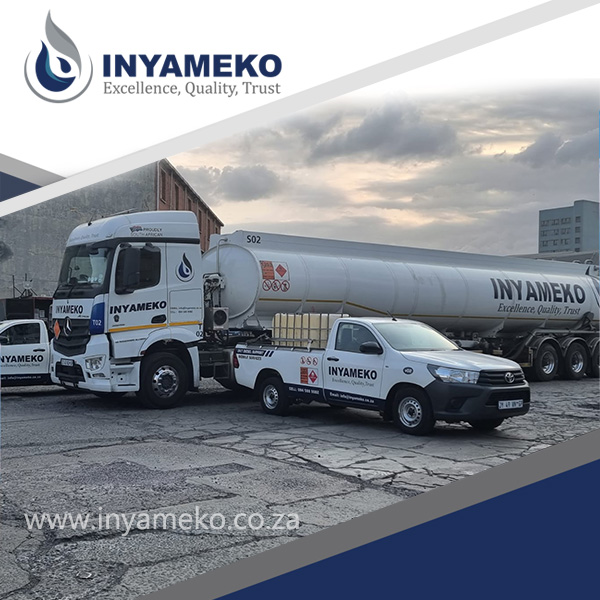
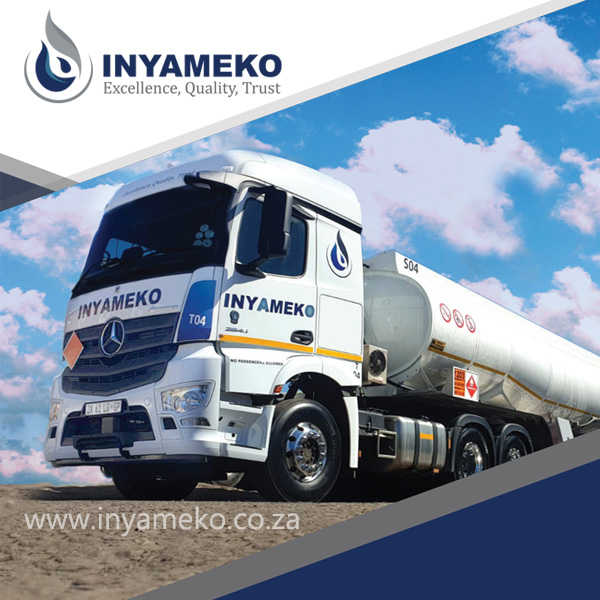
INYAMEKO approaches fuel security as an operational discipline rather than a reactive measure. Protection starts with visibility. All vehicles are monitored through real-time tracking systems that allow constant oversight of location, speed, route adherence, and stop duration. This ensures that deviations are identified immediately and addressed before they become issues.
Routing is carefully planned to prioritise secure, efficient corridors and to minimise unnecessary stops. Routes are reviewed regularly to account for changing road conditions, traffic patterns, and emerging risk areas. This dynamic approach reduces exposure while maintaining delivery efficiency.
People are equally central to prevention. INYAMEKO’s drivers are trained not only in hazardous goods transport, but also in security awareness and procedural discipline. They understand how theft typically occurs, how to identify suspicious behaviour, and how to respond appropriately without escalating risk. Clear protocols govern loading, sealing, documentation, and offloading to ensure accountability at every transfer point.
Operational discipline is reinforced through routine checks and audits. Tanker integrity, seals, and metering systems are monitored to detect irregularities early. This layered approach makes fuel loss difficult to conceal and easier to trace, protecting both the client and the transporter.
By combining technology, planning, and trained personnel, INYAMEKO reduces the likelihood of theft, spillage, and avoidable delays before they have a chance to disrupt operations.
Protection That Extends Beyond the Road
Even the most robust systems must account for the unexpected. Accidents, third-party interference, and unforeseen events can still occur, which is why comprehensive insurance and recovery planning form a critical part of secure fuel transport.
INYAMEKO maintains appropriate insurance cover to protect clients’ product while in transit. This includes coverage for loss, damage, and environmental incidents, ensuring that clients are not left exposed should an incident occur. In the event of a disruption, clear reporting and documentation processes allow issues to be addressed quickly and transparently.
Recovery support extends beyond financial cover. INYAMEKO’s operational teams are equipped to respond rapidly to incidents, coordinate containment where necessary, and work with clients to minimise operational impact. This structured response capability reduces downtime and helps maintain continuity even under challenging circumstances.
For clients, this means peace of mind. Knowing that fuel is protected both proactively and contractually allows operations to plan with confidence and avoid unnecessary risk exposure.
Delivering Fuel Without Compromise
Fuel security in transit is not an optional extra or a premium add-on. It is a baseline requirement for any operation that depends on consistent, reliable energy supply. Theft, loss, and delays carry real consequences, from production stoppages to environmental liability and damaged stakeholder trust.
INYAMEKO’s approach ensures that fuel is protected from the moment it leaves the depot to the moment it reaches its destination. Through real-time monitoring, disciplined routing, trained personnel, and comprehensive insurance support, security is built into every journey.
For businesses that cannot afford uncertainty in their fuel supply chain, secure transport is not a bonus. It is essential. And it is what INYAMEKO delivers every day.
Choosing INYAMEKO for your bulk fuel transport needs means aligning with a partner who respects the value of reliability, quality, and customer satisfaction. Our robust infrastructure, knowledgeable team, and dedication to sustainability combine to create a service that truly makes a difference. Experience the certainty and peace of mind that comes with working alongside a leader in Petroleum Products industry—experience INYAMEKO.